

10 Common South African plants that are toxic for your dog
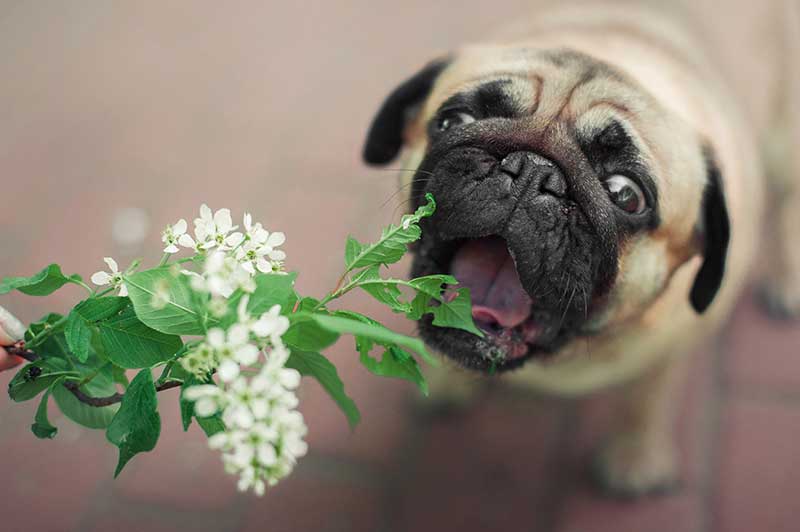
We all know that even the best good boy gets his nose dirty every now and then, and may catch a chomp on something in the house or garden. While a nibble of grass is usually nothing to worry about, there are many common South African plants that you may never have suspected of being toxic, and even fatal, to your dog. With spring around the corner, now is a good time to check your garden for any potential hazards. Here are 10 that you need to keep an eye out for.
- Delicious monster / Monstera deliciosa
The leaves, stems and fruit of the Delicious Monster, as well as those of the similar-looking Philodendron plant, contain calcium oxylate crystals, which embed themselves in the mucous membranes of your dog’s mouth and tongue.
Clinical symptoms: Irritation in the mouth and throat as a result of the pain caused by the crystals. This can show up as excessive drooling, difficulty swallowing, vomiting, diarrhoea and nausea.
- Cycad / Sago palm
Common in South African gardens, cycads are extremely toxic, with ingestion often resulting in severe damage or death. The seeds contain the most toxins – just two or three can be fatal if consumed.
Clinical symptoms: Initial symptoms may show up as nausea, vomiting and diarrhoea, with seizures, paralysis, convulsions and other serious symptoms following. The toxins cause gastrointestinal problems, central nervous system damage, liver failure and death.
- Tulips / Tulipa
These bright bulbs contain glycosides and a chemical called Tuliposide that causes irritation and burning of the skin. In fact, even just the water in a vase that held tulips will contain the toxins, because they leach out of the plant. All parts of the flower are toxic, but especially the bulb – little as a teaspoon can cause severe side effects in your dog.
Clinical symptoms: Excessive drooling, vomiting, diarrhoea and irritation in the mouth and throat that can show up as pawing of the mouth and redness. More serious symptoms include abdominal pain to difficulty breathing and seizures. Dogs can also get dermatitis if they brush up against them often.
- Lilies / Lilium

Lilies are actually far more dangerous for cats than dogs, although both should stay away from them. In cats, exposure even to just the pollen from some lilies can cause severe kidney damage.
Clinical symptoms: Depends on the type of lily and how much was eaten. General symptoms include vomiting, diarrhoea and decreased appetite. Calla and peace lilies (which contain calcium oxylates like the Delicious Monster) may cause excessive drooling, redness and irritation in the mouth and throat.
- Firestick succulent / Pencil cactus
This succulent is as dangerous as it sounds, and is found commonly throughout South Africa. The pencil-like ‘branches’ contain a dangerous milky white sap that can cause serious chemical burns.
Clinical symptoms: Contact with the skin causes burning, blisters, rash and pain. Contact with the eyes can cause pain, swelling, redness and temporary or permanent blindness. If eaten, vomiting, diarrhoea, pain and possible death if not treated, although cases of the plant being ingested are rare due to the taste and the pain the sap causes. Get to a vet immediately in all of these instances.
- Jade plant / Money tree
Native to SA, this succulent with its thick, egg-shaped leaves contains an unknown toxin that can have mild to serious side effects if eaten by dogs.
Clinical symptoms: Vomiting, abdominal pain and lethargy are common, with the possibility of convulsions and other serious health effects being rare.
- Cannabis / Weed
Cannabis, whether your dog has eaten the actual plant or sniffed out a remainder of a stub, is toxic. The effects of being ‘high’ are disorienting and scary for a dog, and blockage of the airways by vomit can happen.
Clinical symptoms: Unstable or unsteady movements, anxiety, vomiting, low temperature.
- String of pearls / Senecio rowleyanus
This unique succulent has little hanging ‘beads’ that could be enticing to curious nibblers. Its toxin, pyrrolizidine alkaloid, causes painful and uncomfortable side effects in dogs that can occasionally be life-threatening.
Clinical symptoms: Diarrhoea, drooling, abdominal pain, involuntary muscle contractions and vomiting. In severe cases where large amounts have been ingested, liver failure can happen.
- Snake plant / Mother-in-law’s tongue
This popular house plant is mildly toxic to dogs and cats. The entire plant (including flowers) contains a chemical called saponin, which acts as a natural insecticide and fungicide for the plant as well as making the plant extremely bitter.
Clinical symptoms: Severity depends on the amount ingested, but symptoms are largely related to stomach upset, including vomiting, diarrhoea, nausea, lethargy, drooling, and swelling of the tongue, mouth, lips and throat.
- Rooigras & Assegaaigras (Spear grass)
These wild, barbed grasses can be found throughout South Africa. The seeds are sharp, and can get stuck in your dog’s nose, ears, gums, soft palate, eyes, eyelids, and between the toes, causing discomfort, pain and, if left, serious infection. If you’ve walked anywhere where wild grass could grow, even across small patches of open veld, do a body check on your dog.
Clinical symptoms: Depending on where the seed gets stuck, it will cause irritation, swelling and inflammation. Your dog will react by constantly rubbing or shaking its head (ears), licking and biting the area (toes, skin), could be sneezing and have nasal discharge (mouth, nose, throat) – all of which can push the seed deeper into the skin.
Having Pet Insurance can help with the costs of vet bills, if you would like a free no obligation quote, you can complete your details here: https://pet-insure.co.za